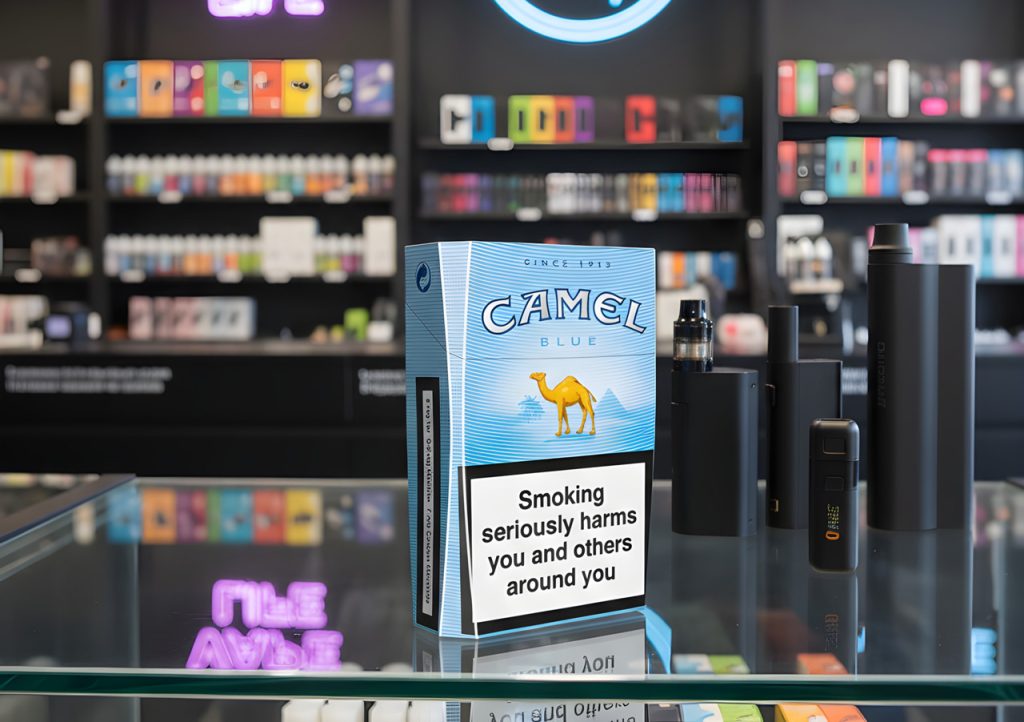
How Much is a Pack of Tobacco?
July 25, 2025
The price of a pack of tobacco is far from universal. It can differ greatly depending on the type of tobacco, its brand, the location of sale, and applicable local or national taxes. What may cost just a couple of dollars in one country could cost more than $25 in another.
This article explores the various elements that affect tobacco pricing to give readers a clear understanding of what to expect when purchasing tobacco, whether for personal use or business.
1. What Is Meant by “Pack of Tobacco”?
A “pack of tobacco” can refer to various forms of tobacco packaging depending on how the consumer intends to use it. These include:
- Manufactured Cigarettes: Typically sold in packs of 20 cigarettes. These are pre-rolled and ready for immediate use.
- Roll-Your-Own (RYO) Tobacco: Loose-leaf tobacco sold in pouches, usually in quantities like 25g, 30g, or 50g.
- Pipe Tobacco: Packaged in tins or pouches and used in traditional smoking pipes.
- Smokeless Tobacco: Includes chewing tobacco, snuff, and dip. These are sold in tins, pouches, or rolls.
Each format has a different cost structure. Manufactured cigarettes come with higher packaging and production costs, while loose tobacco typically offers more flexibility and cost efficiency per cigarette.
2. Average Cost of a Pack of Cigarettes by Country (2024 Estimates)
One of the biggest factors affecting tobacco prices is geographical location. Tobacco prices are heavily regulated through taxes, and governments worldwide set their own rates depending on their health policies and revenue needs.
Here’s a breakdown of average cigarette pack prices by country:
| Country | Avg. Price (USD) – Pack of 20 Cigarettes |
| Australia | $23.00 – $28.00 |
| United Kingdom | $15.00 – $17.00 |
| United States | $6.00 – $10.00 (varies by state) |
| Canada | $10.00 – $16.00 |
| Germany | $7.00 – $9.00 |
| Philippines | $1.00 – $3.00 |
| South Africa | $2.50 – $5.00 |
Contextual Insight: In countries like Australia and the UK, public health policies have intentionally raised cigarette taxes to deter smoking. In lower-income countries, tobacco remains more affordable, but this also leads to higher usage rates, which then drive further policy interventions.
Even within a country, prices can differ dramatically due to state or regional taxation. For example, New York City residents often pay nearly twice as much for cigarettes as people in other U.S. states due to local tax surcharges.
3. Roll-Your-Own (RYO) Tobacco Prices
Roll-your-own tobacco appeals to those looking to save money or control their tobacco consumption. The cost of loose tobacco depends on weight and brand, with prices calculated per gram rather than per cigarette.
Average Prices by Region (for 25g – 30g pouches):
- United States: $6 – $12
- UK: $18 – $25
- Australia: $28 – $35
- Germany: $7 – $10
- Philippines: $0.50 – $1.50
Cost Efficiency Insight: A 30g pouch can typically produce between 40–60 cigarettes, depending on how thick each one is rolled. This can reduce the cost-per-cigarette by half or more compared to pre-packaged brands.
Popularity and Trends: RYO tobacco has grown in popularity due to its affordability. However, governments are increasingly imposing equivalent taxes on loose tobacco to offset the savings and align health policy outcomes.
4. What Factors Influence the Cost of a Tobacco Pack?
A. Government Taxes and Health Policies
Tobacco taxation remains the leading factor affecting prices. Excise taxes are imposed either by weight (for loose tobacco) or per unit (for cigarette packs). These taxes are designed to reduce smoking rates and increase public health funding.
For example:
- The U.S. federal tax on cigarettes is $1.01 per pack, but state taxes can add another $0.17 to $4.35 depending on location.
- In the UK, duties are levied on both the product itself and its packaging.
Countries with aggressive health campaigns typically see higher taxes and, consequently, higher tobacco prices.
B. Local vs. Imported Production
Domestic tobacco often costs less due to lower import duties and supply chain costs. Imported brands include higher prices due to customs fees, transport logistics, and regulatory compliance.
For instance, in countries where tobacco is grown locally (like the Philippines or India), local brands are significantly cheaper than global brands imported from Europe or North America.
C. Brand and Product Tiering
Premium brands charge more based on tobacco blend quality, filter technology, and packaging aesthetics. Generic or budget brands are often priced for accessibility and may offer fewer features, such as lighter filters or plain packaging.
Brands may offer multiple product lines such as:
- Standard Tier: Popular with the general public.
- Premium Tier: Targeted at brand-loyal customers.
- Low-Cost Tier: Budget-friendly, minimalist packaging, often with fewer additives.
D. Retail Markup and Distribution Channels
Retailers add margins to compensate for stocking, display, and distribution costs. Convenience stores and airport shops usually sell tobacco at higher prices than supermarkets or wholesalers.
Additionally, online tobacco purchases (where legal) can sometimes offer savings, although shipping costs and legal restrictions may cancel out the benefit.
5. Pipe, Chewing, and Specialty Tobacco Pricing
Not all tobacco products are smoked. Other common types include:
- Pipe Tobacco: Typically costs between $5 and $15 per 50g. Specialty blends or aromatic varieties may exceed this range.
- Chewing Tobacco: Common in North America, chewing tobacco costs about $3 to $6 per can or pouch.
- Snuff/Dip: Finely ground tobacco sold in tins, typically priced between $3.50 and $7 depending on brand and region.
These products are often subject to different regulatory standards and may not face the same packaging or advertising restrictions as cigarettes.
6. Impact of Packaging Laws and Regulations
Packaging regulations are another hidden cost that affects pricing. Many countries now require plain packaging laws, which eliminate branding and logos from tobacco products. These include:
- Graphic health warnings
- Standardized font and color
- Restrictions on wording like “light” or “smooth”
Manufacturers must invest in regulatory compliance, which includes changing production lines and updating packaging designs. These costs are then passed on to consumers.
In regions with stricter labeling requirements, such as Australia or the UK, these changes have contributed to gradual price increases over time.
7. Tobacco Pricing Trends: 2020 to 2025
Over the past five years, the cost of tobacco has risen steadily across most regions. This trend is expected to continue due to:
- Yearly tax increases
- Public health campaigns
- Decreasing smoker base, leading to higher unit costs
- Stronger anti-smuggling enforcement
Global Insight: As cigarette consumption declines, governments are adjusting their pricing and tax models to maintain revenue while supporting cessation programs.
8. Monthly Budgeting: Cost Breakdown for Daily Smokers
Here’s what a typical smoker might spend per month, based on a daily pack:
| Country | Daily Cost | Monthly Cost (30 Days) |
| United States | $8.00 | $240.00 |
| United Kingdom | $16.00 | $480.00 |
| Australia | $25.00 | $750.00 |
| Philippines | $2.00 | $60.00 |
For budget-conscious consumers, roll-your-own tobacco or cutting down usage can significantly reduce monthly expenses. However, it’s important to consider the health and social costs in parallel with financial impact.
9. Are There Any Cheaper Alternatives?
While tobacco is inherently costly over time, users often explore cheaper alternatives:
- Switching to RYO tobacco: More affordable per cigarette.
- Buying from duty-free stores: Lower taxes in airports.
- Bulk purchasing: Multi-pack discounts in select countries.
- Legal alternatives: Nicotine pouches or herbal products (though not necessarily safer).
However, purchasing tobacco from unregulated sources or smuggling carries legal risks and health uncertainties, and is not recommended.
Smoke GPT Serving the Sweet Lake Community and Beyond in Houston
Smoke GPT is dedicated to serving the diverse needs of the local community of Houston, including individuals residing in neighborhoods like Sweet Lake. With its convenient location near landmarks such as the Sky Sports Trampoline Park Houston and major intersections like Westheimer Rd and Barker Oaks Dr (coordinates: 29.734993932118364, -95.64372069999997), we offer Smoke Shop Houston services.
Get Smoke Shop Houston Services at Sweet Lake. Now
Navigate from Sweet Lake to Smoke GPT Now
Conclusion
Tobacco pricing is a complex equation shaped by government policy, product type, brand, and location. Whether you’re buying a cigarette pack in New York, a pouch of roll-your-own in Manila, or a can of chewing tobacco in rural Canada, the costs you face are determined by layers of taxes, packaging rules, production costs, and market strategies. As global health initiatives continue to target smoking reduction, the price of tobacco is likely to rise. Staying informed helps consumers make better financial and health-related decisions.
Frequently Asked Questions (FAQs)
1. Why is tobacco so expensive in some countries?
Tobacco prices are high in certain countries mainly due to government-imposed excise taxes and strict public health regulations. Nations like Australia and the UK use tobacco pricing as a strategy to discourage smoking. These prices also include costs associated with mandatory plain packaging and compliance with health labeling laws.
2. Is roll-your-own tobacco always cheaper than buying cigarettes?
Yes, roll-your-own (RYO) tobacco is usually more cost-effective on a per-cigarette basis. While the upfront cost of a pouch might seem high, it can yield 40–60 hand-rolled cigarettes—significantly more than a single factory-made pack. However, savings can diminish in countries that tax RYO tobacco heavily.
3. How do tobacco taxes affect pricing?
Tobacco taxes are applied either as a percentage of the retail price (ad valorem) or as a fixed rate per unit (specific tax). These taxes are one of the biggest contributors to final retail prices. They are intended to reduce smoking rates and fund healthcare systems, which is why they increase annually in many countries.
4. Are tobacco prices expected to keep rising in the future?
Yes. Global trends suggest that tobacco prices will continue to rise due to ongoing tax increases, inflation, and stronger regulation. In many countries, annual tax hikes are already legislated in advance. Additionally, reduced demand from declining smoking rates may lead manufacturers to raise prices to maintain revenue.
5. Can I save money by buying tobacco in bulk or duty-free?
In some cases, buying tobacco in bulk or duty-free can lower the per-unit cost. However, limits exist on how much can be legally purchased or imported. Importing tobacco products without paying local taxes can lead to legal penalties or product confiscation. Always check your country’s import laws before attempting cross-border purchases.

Elevate Your Experience with Smoke Shop GPT Rewards
Join the Crew and Elevate Every Puff
Get more out of every cloud with Smoke Shop GPT’s exclusive rewards program. Earn points on every purchase and unlock discounts, special drops, and members-only perks.
Sign up today and start chasing rewards your way.
What Is Hookah Tobacco?
Quick Definition: Hookah Tobacco in Plain Words Hookah tobacco, often called shisha, molasses, or mu‘assel depending on style, refers to the moist, scented tobacco blend people smoke through a hookah…How Does A Hookah Feel When Using Al Fakher Shisha?
The Allure of Hookah Hookah isn’t just about smoking; it’s about creating a moment. Imagine sinking into a comfy chair, soft music playing in the background, and thick, aromatic clouds…Which Camel Cigarettes Deliver the Smoothest Aftertaste?
Choosing the right cigarette can significantly influence your smoking experience. For those seeking a smoother, more refined aftertaste, Camel cigarettes are often a top choice. With a wide variety of…